
Tax Navigation by PaperWerks

Schedule B (Interest & Dividends) — Who Needs It and Why It Matters

Schedule B (Interest & Dividends) — Who Needs It and Why It Mattersby: John B Love IIIPublished on: 29/01/2026

A clean, professional desk scene with a tax form labeled “Schedule B” on a clipboard, a calculator, and a pen. In the background, subtle icons representing interest, dividends, and a small globe to hint at foreign accounts. Neutral colors (white, navy, light gray) with a modern financial-services feel.

Schedule BSchedule B interest and dividendstaxable interest over 1500ordinary dividends over 1500seller-financed mortgage interestnominee interest incomeaccrued bond interestoriginal issue discount OIDamortizable bond premiumSeries EE savings bond interest exclusionSeries I savings bond interest exclusionforeign bank account reportingforeign brokerage accountforeign accounts and trusts Schedule B Part IIIforeign trust distribution reportingtax penalties foreign asset reporting
Schedule B (Interest & Dividends) — Who Needs It and Why It Matters

Trust Fund Recovery Penalty (TFRP): Who Can Be Held Personally Liable for Unpaid Payroll Taxes

Trust Fund Recovery Penalty (TFRP): Who Can Be Held Personally Liable for Unpaid Payroll Taxesby: John B Love IIIPublished on: 02/01/2026

A practical overview of the IRS Trust Fund Recovery Penalty (TFRP), including who may be deemed a “responsible person,” how the IRS defines willfulness, what Form 4180 interviews involve, and why responding to Letter 1153 within 60 days is critical.
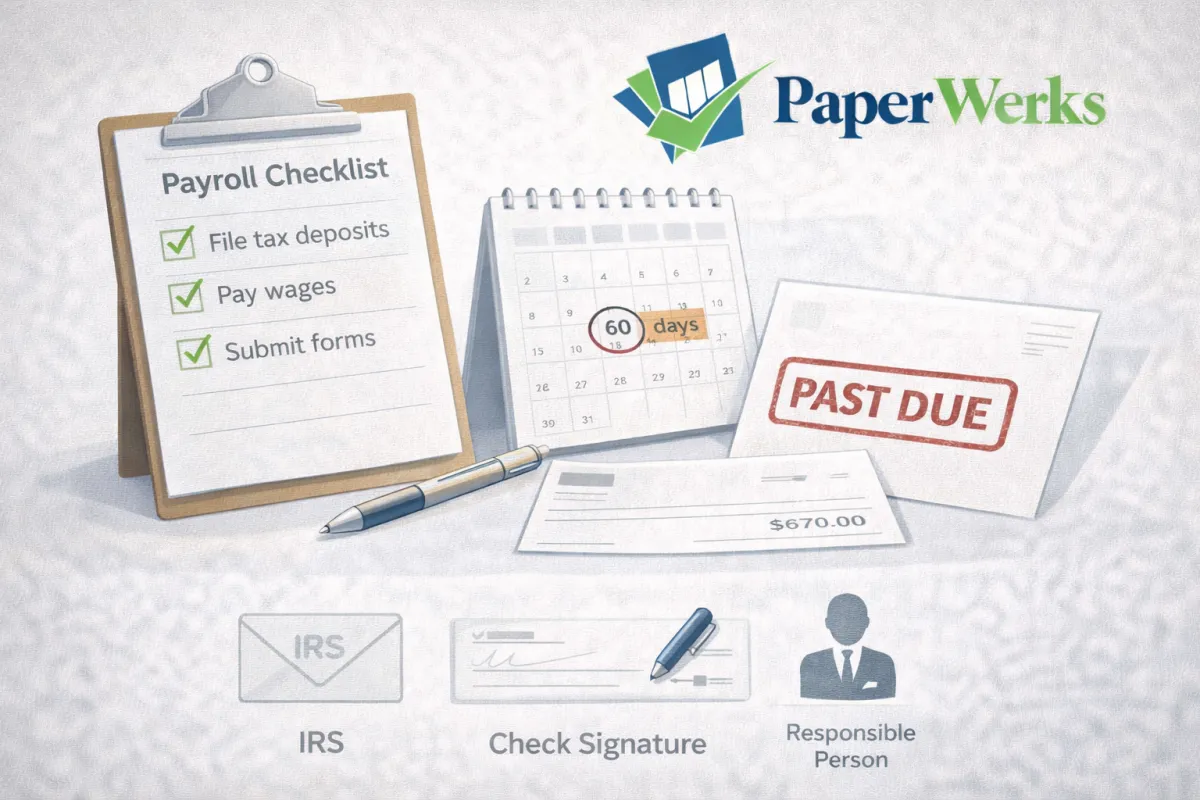
Trust Fund Recovery PenaltyTFRPunpaid payroll taxesemployment taxeswithheld income taxFICA taxesresponsible person IRSwillfulness standardpayroll tax liabilityLetter 1153Form 4180 interviewIRS appeals requestForm 12203third-party payroll providerpayroll compliance
Trust Fund Recovery Penalty (TFRP): Who Can Be Held Personally Liable for Unpaid Payroll Taxes

Federal Tax Liens, IRS Levies, and What They Can (and Can’t) Take

Federal Tax Liens, IRS Levies, and What They Can (and Can’t) Takeby: John B Love IIIPublished on: 02/01/2026

Tax lien vs. levy explained: how federal tax liens arise, what an NFTL means, appeal rights, release vs. withdrawal, discharge and subordination options, property the IRS generally can’t seize, wrongful levy claims, and passport certification for seriously delinquent debt.
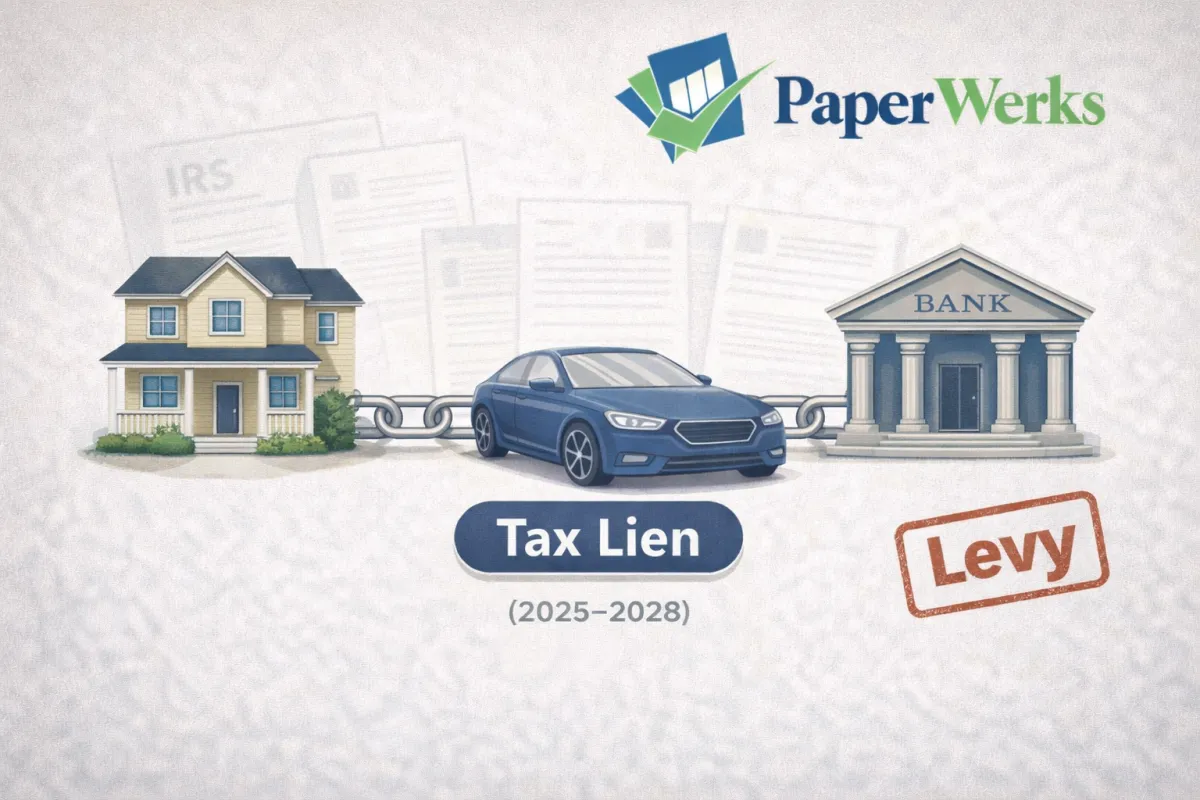
federal tax lienNotice of Federal Tax Lien (NFTL)IRS levylien vs levyCollection Due Process hearing (CDP)Form 12153Form 12277Form 14135Certificate of Release of Federal Tax Lienlien withdrawallien dischargelien subordinationwrongfully levied propertyIRS collection appeals programseriously delinquent tax debt
Federal Tax Liens, IRS Levies, and What They Can (and Can’t) Take

What the IRS Can Do to Collect Unpaid Taxes (and What to Do If You Get a Bill)

What the IRS Can Do to Collect Unpaid Taxes (and What to Do If You Get a Bill)by: John B Love IIIPublished on: 02/01/2026

Learn the key actions the IRS can take to collect unpaid taxes, including timelines for assessment and collection, how interest accrues, payment options, and the difference between collection appeals and collection due process—plus what to do if you agree or disagree with an IRS bill. (Educational only, not tax advice.)
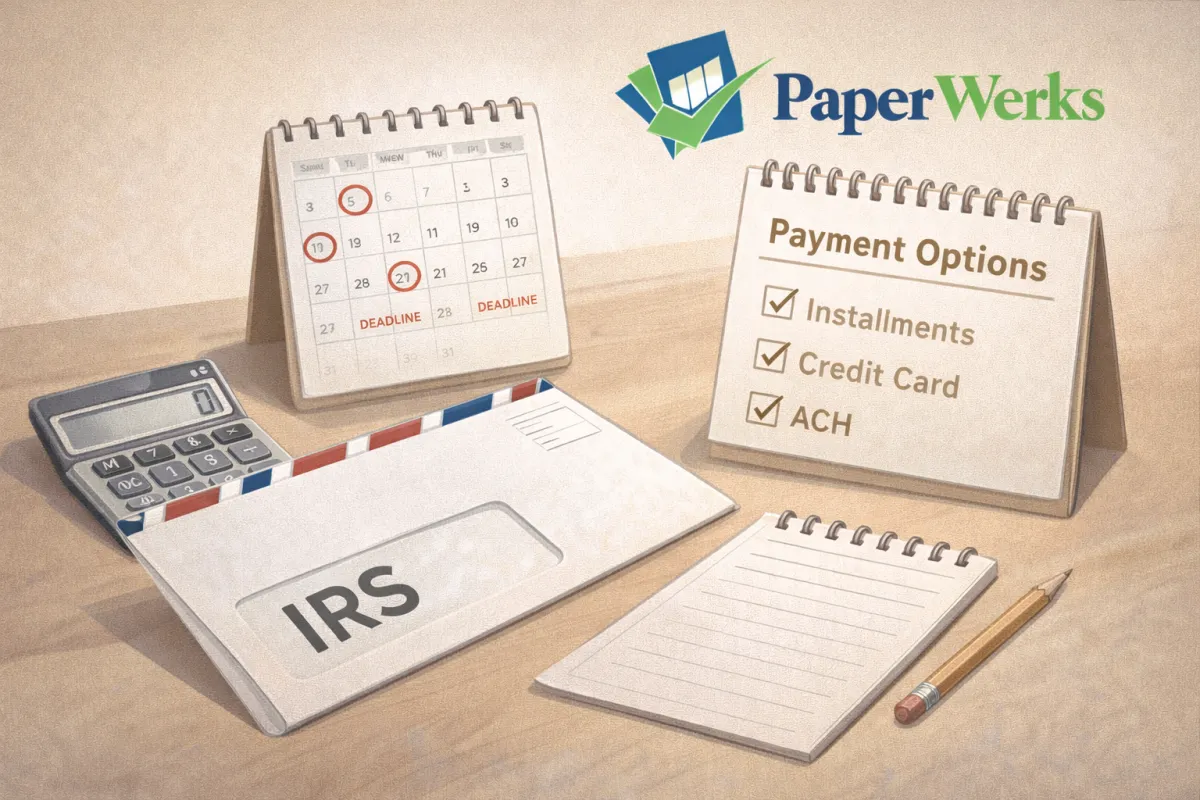
IRS collection processIRS tax billunpaid taxesIRS statute of limitations assessmentIRS statute of limitations collectionNotice of Federal Tax LienIRS levy noticeinstallment agreement IRSForm 9465Offer in CompromiseForm 656IRS Direct PayIRS Online AccountCollection Due Process (CDP)Collection Appeals Program (CAP)Form 9423private debt collection IRSTaxpayer First Act
What the IRS Can Do to Collect Unpaid Taxes (and What to Do If You Get a Bill)